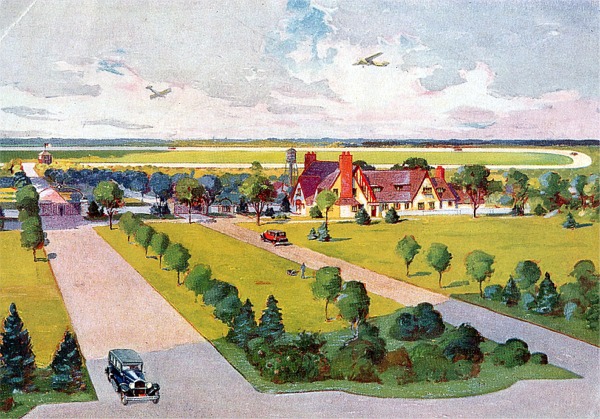
Henry Ford’s Fordlandia experiment remains one of the most astonishing and improbable chapters in industrial history: a Midwestern company town carved into the Amazon rainforest in the late 1920s.
A recent report from TV station WOOD/NBC/Grand Rapids revisits this bold venture, exploring Ford’s attempt to secure his own rubber supply while exporting an idealized vision of American life to Brazil.
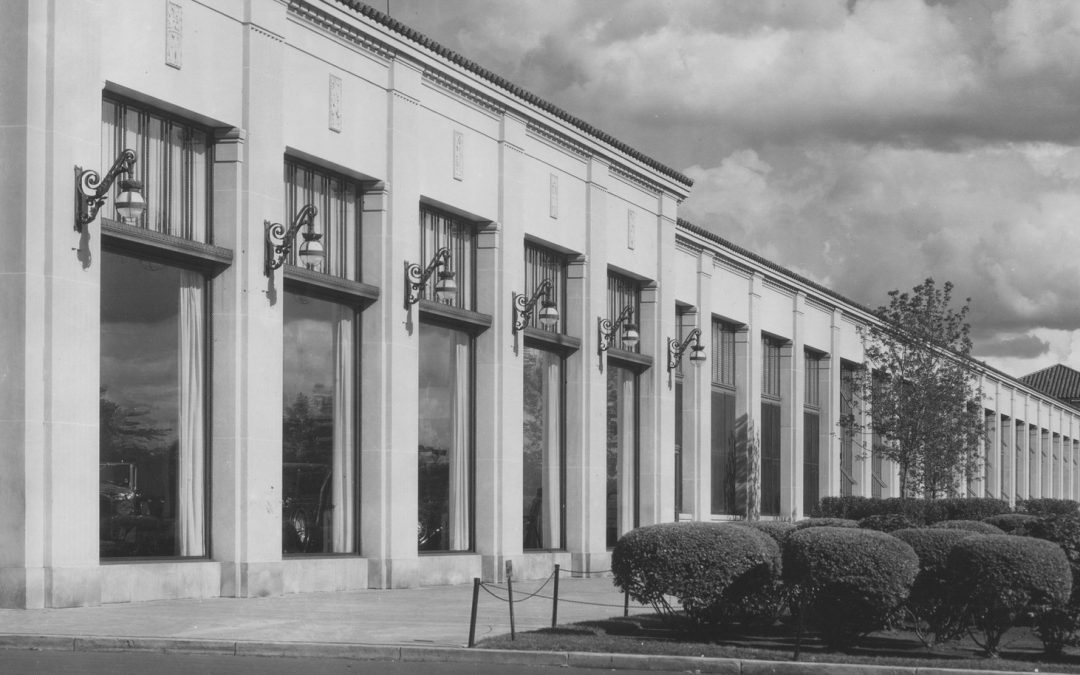
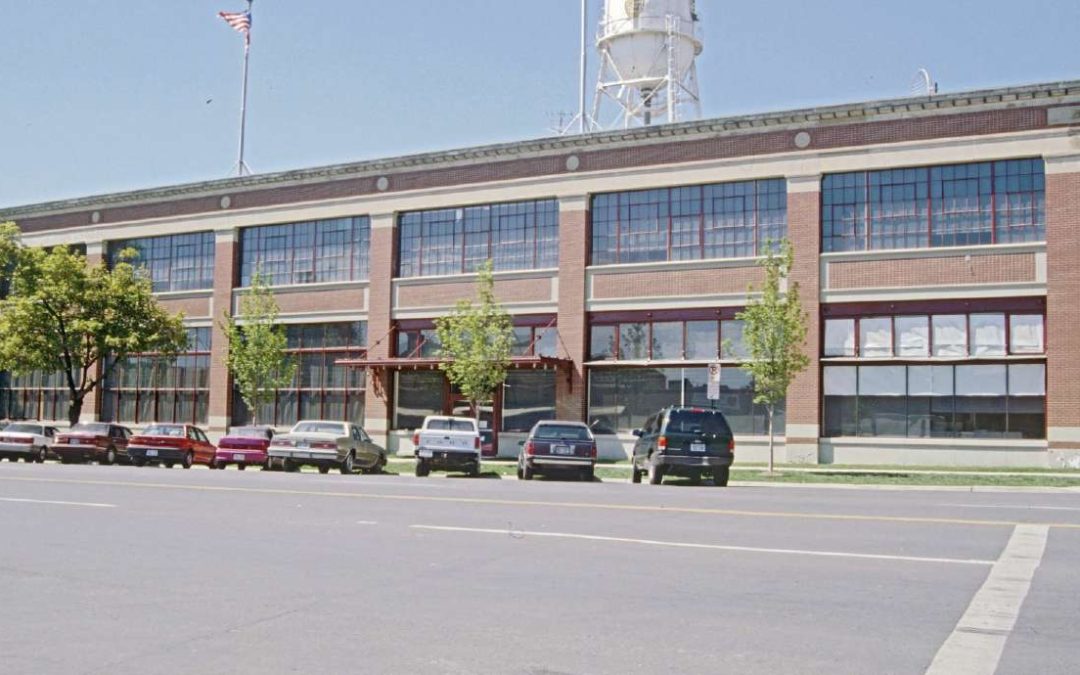
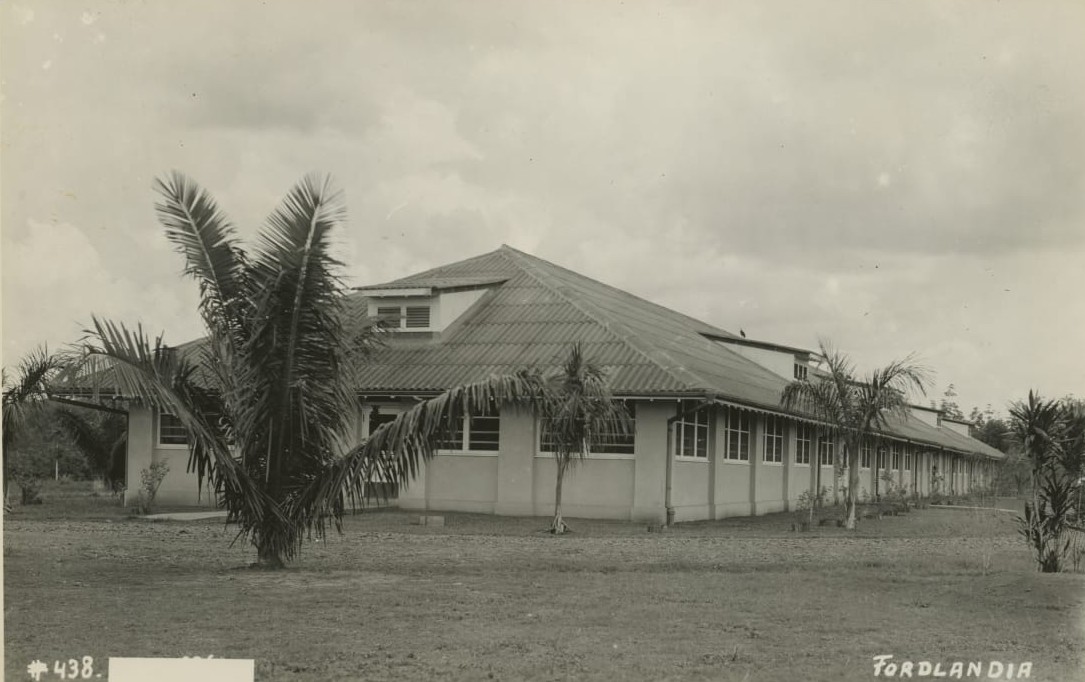
For the Albert Kahn Legacy Foundation, the story carries a special resonance. Amid Fordlandia’s Cape Cod‑style houses, power plant, movie theater and golf course stood a modern hospital (for the region and the era) designed by Albert Kahn. At a moment when Kahn was profoundly reshaping industrial architecture worldwide, he also produced a unique, relatively advanced medical facility to serve a Ford installation in one of the most remote regions on Earth.
WOOD‑TV’s report notes that the hospital, though now in ruins, remains one of Fordlandia’s most significant buildings. It brought running water, electricity, sanitation and professional medical care to the rainforest decades before such infrastructure was common in the region. Today, Brazilian officials have ordered Fordlandia’s preservation, recognizing the settlement as a landmark of global industrial history. And there may be hope for saving Kahn’s far-flung hospital, which was a key part of that legacy.
We are pleased to share WOOD‑TV’s thoughtful exploration of Fordlandia, a story that illuminates both Henry Ford’s ambitions and Albert Kahn’s extraordinary reach as an architect whose work extended far beyond Detroit, all the way to the banks of the Rio Tapajós.